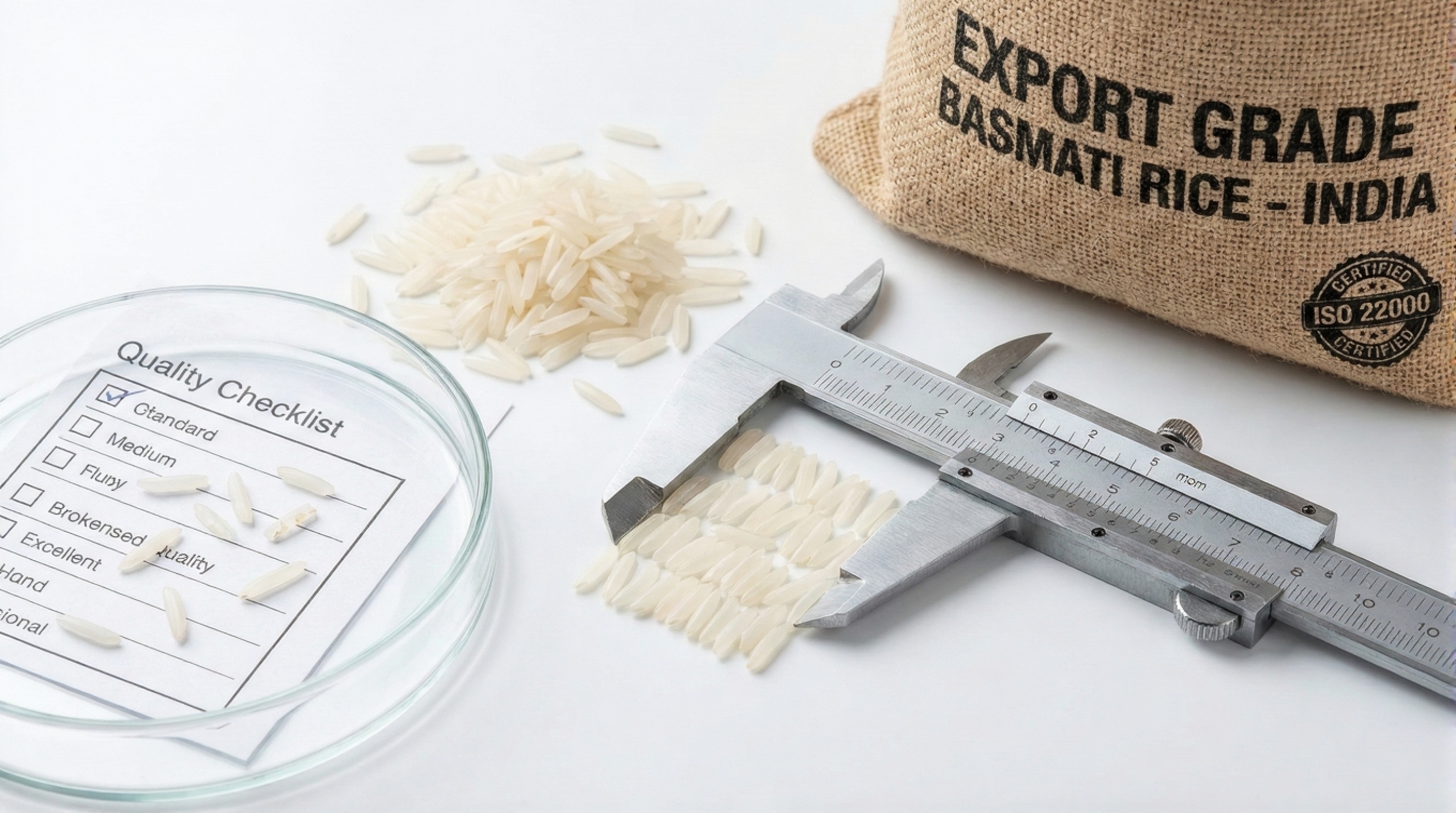
The 1121 Basmati variety is globally renowned for its exceptional grain length. However, for importers, the choice between 'Sella' (parboiled) and 'Raw White' is a critical decision that affects cooking performance, shelf life, and target market. As a leading 1121 Basmati rice exporter, we clarify the differences.
1121 Sella (Parboiled) Basmati Rice
- Process: The paddy is steamed and dried before milling. This process gelatinizes the starch and locks nutrients into the grain.
- Resulting Grain: A firmer, more separate grain that is almost unbreakable. It has a slightly yellowish hue.
- Cooking: Extremely forgiving. The grains remain separate and fluffy even with longer cooking times.
- Best For: Food service, catering, and restaurants where consistency and durability are paramount. It also has a longer shelf life.
1121 Raw White Basmati Rice
- Process: The paddy is milled directly without any pre-cooking.
- Resulting Grain: A pristine white, more delicate grain.
- Cooking: Delivers the most authentic, aromatic Basmati flavor and a softer texture. Requires precise cooking to achieve perfect fluffiness.
- Best For: Premium retail markets, gourmet consumers, and dishes where the subtle aroma of the rice is a key feature.
Both varieties offer the signature extra-long grain (8.35mm+) of 1121 Basmati. The choice depends entirely on your end-user's needs. We export both types in bulk, FSSAI-certified and ready for international markets.